
28 May 2026
Re-Roofing Materials Explained: Tiles, Slate And Felt For Dudley Homes
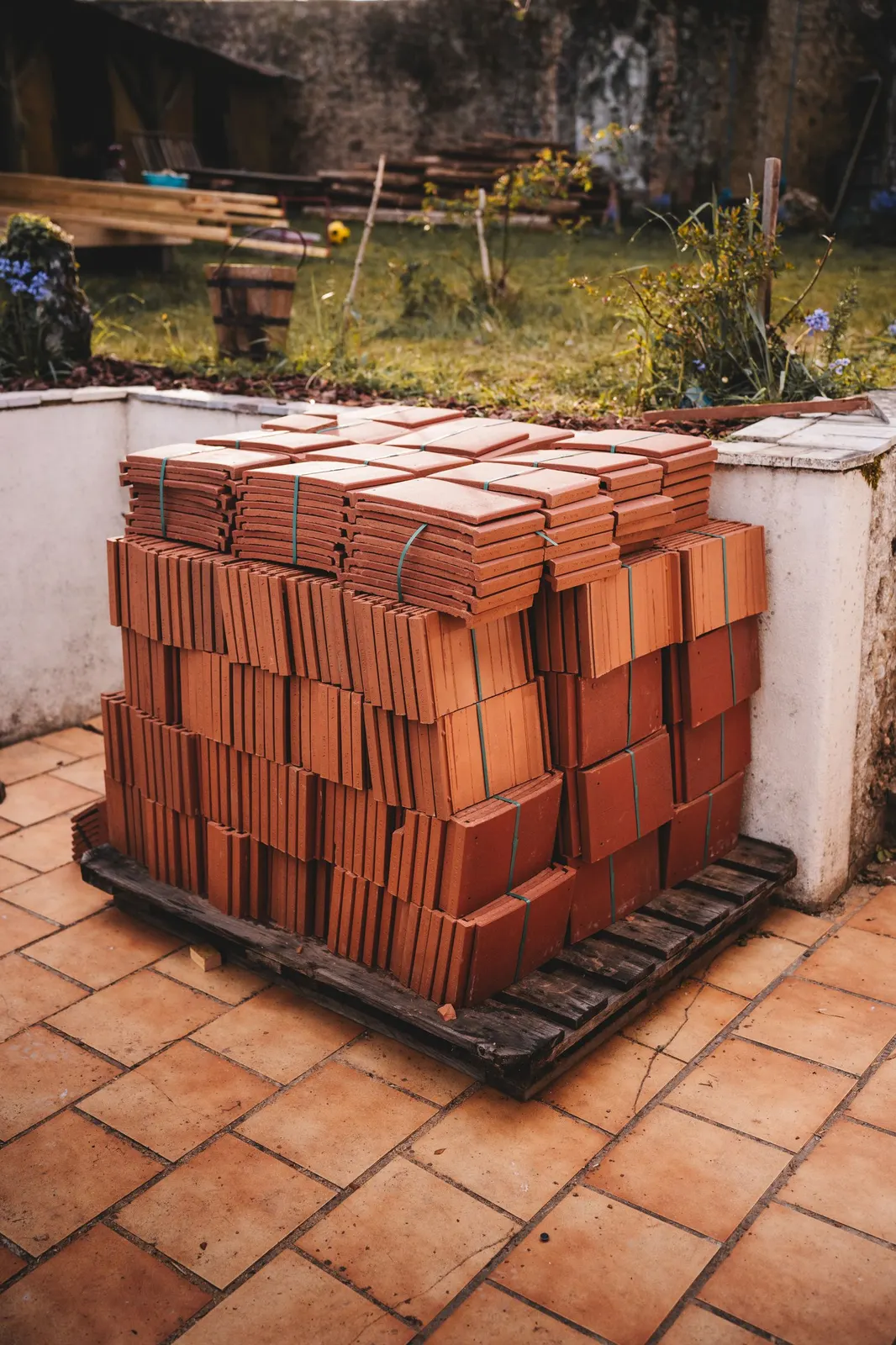
If you’re having your roof replaced, one of the first things you’ll need to think about is what it’s going to be covered with. There’s more to it than just picking a colour - different materials have different costs, lifespans and looks, and what works well on one property might not suit another. Here’s a rundown of the main options we work with on re-roofs across Dudley.
Concrete Tiles
Concrete tiles are probably the most common roofing material on homes built from the mid-20th century onwards, and they’re still widely used today. They’re durable, relatively affordable, and available in a range of colours and profiles, including interlocking designs that are quicker to install than older-style plain tiles. Over time, concrete tiles can fade slightly in colour, but this doesn’t affect how well they perform.
Clay Tiles
Clay tiles have a longer history and are often found on older properties, particularly some of the Victorian and Edwardian terraces around areas like Netherton and Kates Hill. They tend to hold their colour better than concrete over the long term and have a slightly different look - often a warmer, more textured appearance. Clay tiles are generally a bit more expensive than concrete, but many people prefer the appearance, especially on period properties.
Slate
Natural slate is the traditional choice for a lot of older, higher-end properties, prized for its appearance and longevity - a well-maintained slate roof can last well over 50 years. It’s more expensive than tiles, both in materials and the skill required to fit it correctly, so it tends to come up most often on listed buildings, conservation area properties, or re-roofs where the owner specifically wants to retain a slate finish. Reclaimed and reproduction slates are also options worth discussing if budget is a factor.
What Goes Underneath: Roofing Felt
Whatever covering you choose, what’s underneath matters just as much. The felt (or membrane) laid beneath the tiles or slates is what actually keeps water out if any gets past the outer covering - and on older roofs, it’s often this layer that’s failed even if the tiles themselves still look fine from the ground.
Older properties were typically built with traditional bitumen felt, which becomes brittle and can crack or tear as it ages. Re-roofing gives the opportunity to replace this with a modern breathable membrane, which lets moisture vapour escape from the roof space while still keeping rain out - helping to reduce condensation problems in the loft, which is a common issue on older, less-ventilated roofs.
Ridge, Hip And Verge Details
It’s not just the main roof covering that matters. Ridge and hip tiles, and the detailing along the verges (the sloped edges of the roof), all need to be done properly to keep the roof weathertight. Traditional mortar-bedded ridge tiles can crack and come loose over time - one of the most common repair call-outs we get - while modern dry ridge and dry verge systems use mechanical fixings instead of mortar, which tends to be more durable in exposed locations.
Choosing The Right Option For Your Property
For most re-roofs on standard houses across Dudley, concrete or clay interlocking tiles with a modern breathable membrane and dry ridge system give a good balance of cost, appearance and durability. On terraced rows, matching the existing tile colour and profile usually makes sense so the roofline looks consistent from the street. For period or listed properties, slate or clay plain tiles might be more appropriate, sometimes with planning considerations to factor in.
Not sure what’s right for your roof? Get in touch for a free, no-obligation quote and we’ll talk through the options that suit your property and budget.
Frequently Asked Questions
Do I have to use the same material as my existing roof?
Not necessarily, but there are a few things to consider. On terraced rows, matching the existing material and colour usually looks best and keeps the roofline consistent with neighbouring properties. If you're in a conservation area, there may also be restrictions on what materials can be used. Outside of those situations, you're generally free to choose a different material if you prefer, and we're happy to talk through the options.
What's the difference between interlocking and plain tiles?
Interlocking tiles have a profile that locks neighbouring tiles together, so fewer tiles are needed to cover the same area and they're generally quicker to install. Plain tiles are smaller, flat, and laid in overlapping rows - they're the traditional look seen on a lot of older properties, particularly Victorian terraces, but require more tiles and more time to fit.
How long does roofing felt last?
Traditional bitumen felt typically lasts 20-30 years before it starts to perish and lose its waterproofing properties, though this varies depending on how well-ventilated the roof space is. Modern breathable membranes, which are now standard on re-roofs, are generally rated for longer and also help manage moisture in the roof space better than old-style felt.